
Posts Tagged ‘dog’
-
Top 10 Most Dog-Friendly Cities

Whether you are jetting off to an island or driving down the coast, most people are trying to make time with their family this summer for relaxation and fun. For 67% of American households, their families also include at least one dog. If you’re loading up everyone into the car for a getaway, here are some of the top dog-friendly destinations in the U.S. perfect for summer trips.
Northeast:
Boston, MA
Did you know that the city of Boston actually doesn’t have happy hours? They were banned back in 1984, though the state has plenty of breweries, wine bars, and other restaurants to grab a drink at. However, the city does host “Yappy Hour” at many eateries and isn’t it our duty to help our dogs live their best life (even if we’re a little jealous)?
Southeast:
Charleston, SC
A huge tourist destination, Charleston boasts shopping, beaches, and amazing food. Luckily, you can bring your dog to do all those things and more! There are dog-friendly beaches, parks, and things to see in the Holy City.
Tampa, FL
With just under four dog parks per every 1,000 residents, Tampa is so dog-centric it’s guaranteed to make your dog’s tail wag.
South:
Austin, TX
The main attraction about Austin, other than it’s ‘weirdness’, is actually the amount of hotels that allow dogs to be their guests. It is something a lot of people forget to think about when traveling – mapping out which hotels do or do not allow pets, particularly because it can differ from one hotel to another even within the same chain. It’s really nice to have this part of the trip taken care of if Austin is your destination!
Midwest:
Ann Arbor, MI
Michigan may not be where you first picture when you think “beach destination” but Ann Arbor has many beaches that permit dogs to run to their heart’s content. Just be sure to pack extra towels, water, and treats for your very good (and very sandy) boy or girl.
Chicago, IL
Chicago hot dogs are a cult-classic for baseball fans in Illinois. If you’re bringing your hot dog (the four-legged kind) to Chicago, think about stopping by Wiggly Field. Yes. We know what you’re thinking, they should have an award for the cutest dog park name. While they may not possess that award, they do have tons of space to run, shade to lounge in, and even puppy pools!
Westcoast:
Seattle, WA
Among all of the wonderful outdoor activities Seattle has to offer, there is a long list of things that are dog-friendly in more urban areas; such as outdoor movies, or ice cream shops that offer gelato for your pup!
There are many options of places to vacation with your dog and these are only a few of the most accommodating. If you are considering traveling with your furry family member make sure to do your research and call ahead to where you’re staying but making memories is always the most fun when the whole family gets to go!
-
At-Home Dog Grooming Tips
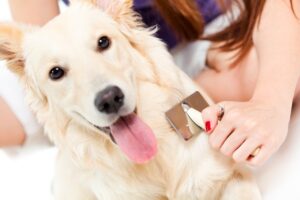
Grooming varies wildly based on the breed of dog you have. However, some practices are commonplace for all; like brushing their coat and making sure their nails are trimmed.
If you have your groomer in your favorites on your phone, don’t worry you’re not going to be coming for their job after reading our list but, you might be able to do more than muddle through until the next available appointment with the help of these tips.
Brushing
Did you think all dogs liked to be brushed before you tried to brush your own? Yeah, us too. Some dogs do love being pampered but for others it’s worse than finding a pill in a slice of cheese.
One huge way to help your dog get accustomed to being brushed is by steadily introducing them to the process.
Have your dog sit and present them with the brush, let them smell it and feel it out. Then, use any word you’d like (for example, “Brush”) and hold it in front of their face for a few seconds before brushing them a couple of times and handing them a treat immediately after.
Giving them a few seconds to walk away is giving them the choice of staying there to endure the brushing and getting a reward after, or opting out and saying “this is too much for me”, at which point you can leave it and pick it up later.
Practicing this basic level of autonomy is good because it prevents dogs from getting overwhelmed and being stressed or aggressive because of their discomfort. With some training over time, they may even be able to sit for the length of the whole brushing without needing a treat until the end.
During the spring and summer months also be sure to check for ticks when brushing your pets – tick combs are great options to get the job done easily and help give you peace of mind that your dog’s flea and tick preventatives are working as they should.
Nails
Trimming your dog’s nails could be considered an Olympic sport if you ask us. From running around, to couch-wrestling, just to get one millimeter off of one toe? So frustrating.
One of the biggest deterrents for dog parents to clipping their pup’s nails is because they worry they will hit the quick (the sensitive nail-bed dogs have) and stress their dog out and leave them with a cut.
A great trick for this is to actually hold your dog’s paw backwards, so it points behind them as if they’re taking a step, and from that angle, only cut the tip of the nail that is below the paw pad.
This will likely not get the nails as short as absolutely possible but will ensure you don’t hit the quick and it applies to clear and black nails.
Having a well-groomed dog is essential for their comfort. It’s also a sign of a well taken care of pet and makes for a happier one!
-
4 Qualities of Great Pet Sitters (to Help You Find the Right One)

Your pets are your family, your best friend, your companions. You want the best for them, even when you can’t be there yourself. You want someone you can trust to take care of your furry babies. But finding a great pet sitter can be tough. You don’t want just anyone. You want a trusted sitter. You want someone who can work with your pet and treat them like you would. So what exactly makes a great pet sitter? Read on to find out what the qualities of great pet sitters are.
1. Flexibility Is One of the Qualities of Great Pet Sitters
Great pet sitters are flexible. They should be willing to work around your schedule. At the same time, they shouldn’t be overworked. A pet sitter with a high workload may not be able to give your pet the best care. That requires good communication. Is your pet sitter easy to reach? Can you talk to them about any issues you may have had, either with them or previous pet sitters? If not, you need to find another sitter.
2. Great Pet Sitters Care About Your Pet and Your Wishes
A great pet sitter cares. They have a deep love for animals. This should extend to your pet too. Trusted pet sitters will respect whatever wishes you have. They have a strong desire to get to know you and your pet. This means following special instructions you may have, such as ensuring your pet adheres to a special diet or goes out for a walk every day at the same time. They should be willing to meet in advance. A quick, complimentary, meeting will go a long way with them familiarizing themselves with your pet. That way you can make sure that everyone gets along.
3. Pet Sitters Should Be Experienced
A great pet sitter should have some experience. Of course, everyone has to start somewhere, so not all pet sitters will have years of experience. However, they should have some professional experience and references, even if it’s not from pet sitting.
4. Great Pet Sitters Are Consistently Dependable
A great pet sitter is consistently dependable. You shouldn’t have to worry about your pet sitter not showing up on time, or not showing up at all. The whole point of a pet sitter is to make your life easier when you can’t be there with your pet. That’s why a great sitter should take their role seriously. They should treat your pet just as well as they would their own. If not, you need to find a different pet sitter.
Looking for a Puppy of Your Own?
Looking for a new puppy? We have puppies for sale in Lombard, Rockford and, Aurora, IL. Our professional breeders are licensed and adhere to both state and federal regulations. Each kennel is also overseen by a licensed veterinarian. We also offer financing options on all of our puppies. Let us help you find your next furry baby.
-
August Is National Immunization Awareness Month

August is National Immunization Awareness. Ensuring that your furry babies are up to date on their vaccinations is essential for helping them lead healthy, happy lives. Multiple vaccines are available for your dog. When working with your veterinarian to determine the right vaccinations for your pup, keep these 3 things in mind.
- Timing and frequency. Determining when and how often your best pal should receive shots depends largely on age, health, lifestyle, and the type of vaccine. For example, healthy puppies typically receive three vaccinations every three to four weeks, beginning when they are six to eight weeks and ending at around 16 weeks.
Senior dogs, on the other hand, may only need some vaccines every three years, since they have likely built a healthy immunity after years of vaccinations.
- Local and state mandates. All states and some local areas have vaccine requirements, typically as they relate to rabies vaccinations. While some areas allow pets to go three years between rabies immunizations, others require the shots annually. If you’re a new pet parent or have recently moved, make sure to familiarize yourself with any immunization requirements in your state or town.
- Lifestyle. Vaccines are divided into two categories: core and non-core vaccines. Core vaccines are recommended for every dog and include canine parvovirus, distemper, canine hepatitis (adenovirus type 1), kennel cough (adenovirus type 2), and rabies.
Non-core vaccines are typically determined by your pet’s risk of exposure. For example, if your best buddy spends significant time outdoors near water or wooded areas, immunizations for Lyme disease (Borrelia burgdorferi) and Leptospirosis can dramatically reduce your dog’s risk of catching these diseases. Other non-core vaccines include canine influenza, parainfluenza, and Bordetella bronchiseptica.
While most pets don’t experience any illness from immunizations, if your best boy develops a fever, has labored breathing, collapses, exhibits signs of lameness, experiences vomiting or diarrhea, contact your veterinarian immediately.
-
Introducing Your Dog to Your New Baby

Welcoming a new baby to the family can be exciting and also a little scary not just for new parents—but for your furry babies, too! Here are 5 tips to help you prepare your dog for the arrival of your baby.
- Start or brush up on obedience training. Making sure that your best buddy knows basic commands, including sit, stay and leave it, will not only provide communication and skills that will help your dog adjust, attending obedience classes is a great bonding opportunity with your dog.
- Introduce new sights and sounds. From cries and coos to playpens and toys, your new little bundle of joy dramatically changes your home. To get your best buddy used to all of the new gear, don’t wait until the baby arrives to take the gear out of the box. Giving your dog the chance to explore and sniff new furniture and toys will help ease the transition. Plus, it provides a great opportunity for you to help Fido understand which toys are his and which ones are off-limits.
Some trainers even recommend playing recordings of baby sounds periodically throughout the day. Check out YouTube for free compilations to help familiarize your pup with the different sounds.
- Make sure your pup has a special place. If your dog will be allowed in the nursery, prepare an area with a special mat or dog bed for your pet in the room. Begin training your best girl that she should sit or rest quietly in her area while in the baby’s room. Keep treats in the room to reward your pup and reinforce good behavior.
If your pup won’t be allowed in the room, make sure that she has a quiet area or crate to go to when things become overwhelming.
- Prepare for lifestyle changes. The home can become quite hectic and routines are bound to change once the baby arrives. Dog training professionals point out that if your dog is accustomed to a strict schedule for eating and walks, varying the times he eats or takes walks before the baby comes home will make adjusting to a new or unpredictable schedule easier.
Professionals also warn against lavishing your dog with extra attention prior to baby. This can create an even bigger letdown for your pup. Instead, these professionals suggest snuggling and playing with your dog for shorter periods of the day and at various times.
- Always supervise. Cries, squeals, or unexpected petting can be stressful for your pup. Never leave your dog and baby alone. When you are playing with them together, watch your dog for signals, such as pacing and unusual eye contact, that indicates he may be uncomfortable and need to take a break from the baby.
Keep in mind that it will take time for everyone to adjust to new routines (or the lack thereof!) But with planning, preparation, and patience, watching the bond grow between your first “baby” and your new baby will be an incredibly rewarding and heartwarming experience.
-
10 Fun Things To Do With Your Dog This Summer

Summer is here and what better way to enjoy this sunny, warm-season than hanging out with your furry babies? Here are some of our favorite activities that you can enjoy with Fido.
Take a Hike
Exploring new trails and outdoor areas is always fun, but sharing the experience with Fido makes it even better. Plus, hikes are a great way for your pup to burn some extra physical and mental energy by checking out the new terrain and taking in the new sights and smells.
Camping Trips
Summer is a great opportunity to plan an overnight camping trip or a weekend getaway with your best pal. Whether you choose a local campground or decide to check out a national park, make sure the area is dog friendly.
Pet BBQ Party
Who doesn’t love an outdoor barbecue? Add a sprinkler toy or kiddie pool to the mix for some laidback afternoon fun that the whole family—even those with four legs can enjoy. Check out these tips for grilled foods that your best buddy can enjoy.
Make Summer Frozen Treats
On scorching hot summer days, frozen treats are a great way to cool off and enjoy something sweet. Why not treat your good girl to some delicious frozen tropical punch or piña colada balls? Find even more DIY summer treats in this article.
Go to the Beach or Lake
Beaches and lakes are great summer destinations to enjoy with your dog. From walks along the waterside to swims, fishing excursions, kayaking or just relaxing on the shore, activities to enjoy with your pup are almost endless. Make sure to familiarize yourself with any leash ordinances that may be enforced in the area and take safety precautions when enjoying water activities with your dog.
Teach Them a New Trick
On days that are too warm to enjoy outdoor activities, you can still have fun with your pup indoors and avoid destruction that results from boredom by teaching her a new trick, like how to roll over or give a high five. Here are some more easy trick ideas.
Check Out a New Dog Park
Is there a dog park nearby that has a great obstacle course or maybe there’s one with a coffee bar or beer garden? Summer is a great time to see what’s out there. You might even find a new everyday favorite to call your dog park home.
Treat Them to a Puppucino
Want to give your best boy an extra special treat? Order him a puppucino the next time you visit Starbucks. This small cup filled with whipped cream is sure to earn you some extra puppy kisses and snuggles. Starbucks isn’t the only store with secret menu items for dogs. Check out this list from Barkpost to find more goodies.
Join the Pupscouts and Earn Badges
Complete with badges, uniforms, and cookie sales to support local shelters and rescues, indulge your sense of nostalgia and join the PupScouts with your furry baby. Although in-person meetings are currently suspended, you can still join Troop 50 and take part in activities virtually.
These are just a few ways that you can enjoy summer fun with your best buddy. No matter what you choose, your best buddy will love the special bonding time it offers.
-
Meet Your Best Workout Buddy: Your Dog

Combine two things that your dog loves: exercising and spending time with you. In this era of social distancing, your dog is a great choice for a workout buddy. Here are 5 of our favorite exercises that you and your furry baby can do together.
Walks
That’s right—your daily walks with your dog are exercise. In fact, brisk walks can help you and your best buddy develop a stronger heart, lower blood pressure, increase energy, and reduce the risk of depression. There are no limits on time or distance. Just go at a pace that’s comfortable for you and your dog.
Jogging
For pet parents of more active breeds, like Labradors, dalmatians, and border collies, running is a great way to satisfy your dog’s need for activity and get in some bonding time. While your buddy might be eager to keep pace with you at all times, make sure to put his safety first. Avoid forcing your dog to run further if he starts lagging behind and schedule your runs for cooler times of the day to avoid heat exhaustion.
Cycling
Not really a runner, but looking for a more vigorous workout than walking? Let Fido run along beside your bike. Use a device called a springer to ensure your dog stays close to you and safe on rides. Check out our blog on biking with your dog for more tips on safety and acclimating her to the experience
Fetch
This is a no-brainer when it comes to exercises that your dog will enjoy, but how does it benefit humans? While your dog is retrieving the ball, work in some squats, crunches, or lunges.
Hiking
If you have trails near your home, hiking is a great opportunity to get outside, enjoy nature, and burn some calories with your best girl. If you’ll be exploring heavily-wooded areas or other places where ticks may be, make sure that your dog has up-to-date on her flea and tick prevention. Also, check for ticks and other insects after your outings.
Regardless of the exercise that you choose, visit your veterinarian first to make sure that your dog is in good health and ready to start a new workout routine. Plus, learn how to spot signs that your dog might be over-exerting himself.
Exercising with your dog is a great bonding experience that offers incredible health benefits to both of you. Just make sure that you always put your safety and your pet’s safety ahead of any workout schedule.
-
Biking with Your Best Buddy

Dog parents are always looking for new ways to share their favorite activities with their furry babies. And, biking is no different. Whether riding in a bike trailer or running alongside your bike, cycling is a great activity to share with your pup.
Here are some tips and suggestions for you to safely enjoy your biking adventures with Fido by your side.
Ride-Along or Running
First, decide what would make cycling the most enjoyable for your dog. Small dogs, older pups, less active breeds, or those with short muzzles, like pugs and bulldogs, are probably best suited for riding in a bike trailer or basket.
Smaller dogs—those that weigh about 15 pounds—can enjoy riding on the front or rear of your bike in a basket carrier. With tons of options, like this adorable wicker basket that even includes a canopy to keep your pooch shaded, you can always find something that fits your bike and your dog.
Larger, more active breeds typically enjoy running next to their cycling human. However, it’s important to make sure that your best bud is safe while trotting alongside you. Choosing a bike leash that’s specially designed to support your dog when they join you on bike outings is essential. Not only should the lead be sturdy and comfortable during bike rides, pick a style that can detach easily for stops and potty breaks during your adventures.
Build Trust
Whether your good boy is running next to you or riding in a basket, make sure that your dog is familiar with the movement and sensations associated with cycling. Start by gradually introducing them to your bike by walking them near the bike and offering treats. Some dogs may be quick to acclimate, while others may be a little skittish, just be patient. It may take a few days or weeks before your dog is comfortable with the bike.
Once your dog is more confident around the bicycle, try placing them in the basket or attaching them to the bike leash. Then, move the bike slowly while walking on the opposite side of it. According to TheDogOutdoors.com, this gets your dog used to being next to the bike and helps them understand that it’s no different than being leashed for a regular walk. Still walking beside the bike, practice turning left and right, as well as making u-turns.
Now, it’s time to hop on your bike and give it a go. Make the first few rides short—only about 10 minutes—and in low-traffic or private areas. This will give you and your dog time to adjust the pace and work on stopping.
Preparation and Precautions
No matter if you and your dog are novices or seasoned cycling buddies, here are a few tips to make every ride your best.
- Bring water. Cycling can be a strenuous activity. Make sure that you bring enough water to keep you and your dog hydrated.
- Use extra caution in warmer months. The heat of summer months can leave your dog susceptible to heat exhaustion, heatstroke, or injured pads from running on hot asphalt. Try to limit your rides to early morning hours to avoid the heat of the day. If the day is excessively hot, leave Fido at home and bring them on a cooler day.
- Get in sync. Find a pace that’s enjoyable for you and that doesn’t stress your dog. If your dog is having trouble keeping up at any point, don’t drag them. Slow your pace or stop altogether to make sure that your best pal is okay to continue the ride.
- Follow the basic rules of walking. Pick up after your dog and be courteous to others along your route.
- Prep your bike. You’ve made sure that your dog is ready, but what about your bike? Ensure that your lights and brakes are in good working order.
Cycling is a great exercise and gives you even more bonding time with your pup. Just make sure that you’re both safe and prepared before embarking on your next adventure.
-
Swimming Safety Tips for You and Your Dog
With temperatures warming and springtime just around the corner, you’re probably already thinking of fun water excursions with your furry babies. And who can blame you? Sitting by the pool or trips to the beach or lake is even more fun with Fido in tow.

Before you hit the water, here are some tips to make sure you and your pup safely enjoy your next aquatic adventure.
Not all dogs are natural swimmers.
You read that correctly. Not all dogs are comfortable in the water. Some dogs with large bodies and short legs, like bully breeds, may have trouble balancing their body and staying afloat in the water. While they can swim, this doesn’t mean they necessarily enjoy it.
Help your dog feel comfortable in the water.
If your best buddy shows an interest in water, work with her to make sure she is comfortable and able to enjoy it. Try tossing a ball or stick progressively further away from the shore or pool entry steps, allowing your dog to fetch it. One method to avoid is tossing your dog into the water. This can be traumatizing and pose a drowning hazard for your dog.
Stay close to your dog.
Even if your dog is a seasoned swimmer, he can’t call for help like a human and may get tired quickly if he’s struggling in a rough current or tangled in water vegetation. Keeping an eye on your pup during swim time is essential for their safety.
Get a life jacket.
Pet life preservers are more than a cute accessory. They can help your dog stay afloat if she falls overboard on a boat or dock and often has a convenient handle making it easier to scoop up your canine companion.
Encourage pool safety.
Teach your dog how to safely exit the pool, in case he accidentally falls in. Also, consider installing a fence and pool alarms for added security.
Bring drinking water.
Water in pools, lakes, or at beaches is great for swimming and recreation, but it isn’t safe for drinking. Bring along water to keep your pup hydrated during all of the fun.
Practice safety at the beach.
Beaches may seem like an ideal spot for warm-weather fun, but elevated levels of bacteria, strong currents, and rough water can be as dangerous for dogs as they are for humans. Additionally, beach sand can be filled with broken seashells, roundworms, or even jellyfish. Keep a close eye on your pup wherever her beach adventures may take her.
Keep in mind that ocean water is not the only water that can be dangerous for dogs. Swimming holes, ponds, lakes, and other natural bodies of water, can be contaminated. When available, check the water quality before planning your outing.
Clean your dog’s ears.
Just like humans, dogs are at risk for ear infections. Make sure that you thoroughly clean your dog’s ears to remove any harmful bacteria, excess water, or debris that can cause illnesses or discomfort.
When considering any water activity, the best rule of thumb is that if conditions are too dangerous for you, they’re also too risky for Fido.
-
Springtime Allergies and Your Pet
It’s almost that time—winter’s cold will begin thawing and be replaced by blossoming flowers and warmer weather. However, for many of us, the beauty of spring is often complicated by the onslaught of spring allergies. While you reach for the nearest antihistamine to keep your symptoms at bay, don’t forget about your furry babies.

Regular trips outdoors can make dogs susceptible to aggravating allergy symptoms from exposure to weed, tree, and grass pollens. According to VetStreet.com, an estimated 10 percent of dogs are affected by environmental allergies. Just like humans, spring allergies symptoms can cause discomfort to your dogs.
Below are some of the most common symptoms:
- Itching and scratching: One of the most common signs of allergies in dogs is constant scratching.
- Skin infections: Often the result of excessive scratching, your pet’s skin can become infected.
- Excessive paw licking: On walks and during outdoor exercise, pets paws come in contact with pollen and other irritants, leading them to groom their paws more often to try to relieve the irritation.
- Scooting on rear: The presence of increased histamines can cause your dog’s rear to become itchy.
- Ear infections: Especially common in dogs with large or floppy ears, chronic ear infections can be a sign of an allergic reaction. If you notice that your dog’s ears are really red and waxy or that she’s shaking her head more often, she may have achy ears.
- Extra shedding: Dry, flaky skin and increased scratching can lead to more hair loss than normal in dogs experiencing allergy symptoms.
To help your pet enjoy spring and reduce allergy symptoms, here are a few tips:
- Bathe regularly. Use a mild shampoo to wash your dog once or twice a week during allergy season. This soothes itchy skin and helps remove tree, grass, or pollen irritants.
- Wipe your pet’s paws and coat. After walks or other outdoor activities, make sure to wipe your best buddy’s paws and coat to reduce the presence of allergens in between baths. For seriously irritated paws, Dogtopia suggests soaking paws in an apple cider vinegar solution (2 parts water with 1 part vinegar) for more effective all-natural removal.
- Wash Bedding. Allergy-causing particles can collect in areas where your pet sleeps or relaxes. Washing their bedding weekly is an effective way to remove pollen, dirt, and other irritating debris.
- Replace air filters. Your air conditioner can circulate allergens throughout your home. Regularly changing air filters can reduce the presence of these irritants, making your home’s air safer not just for Fido but for the rest of the family as well.
- Contact your veterinarian. If your pet’s allergy symptoms do not seem to be improving or possibly getting worse, talk to your veterinarian about treatment options. From medications to allergy shots, a wide range of treatments are available to help your best pal stay comfortable.
Even with all of this in mind, we want you to enjoy the Springtime outdoors with your favorite fur babies.

